Do you remember when you tried to send money abroad? Three days, $50 in fees and three phone calls to your bank later, you likely wondered why moving your own money has to be that difficult. That’s precisely what DeFi solves.
DeFi — or Decentralized Finance — is essentially banking without the bankers. Instead of Wells Fargo or Chase holding your money and deciding when you can access it, you hold it. Picture a financial system operating on code for 24 hours a day rather than bankers’ hours, where loans are processed in minutes not weeks, and where you get 5%-10% interest on savings instead of the insulting 0.01%.
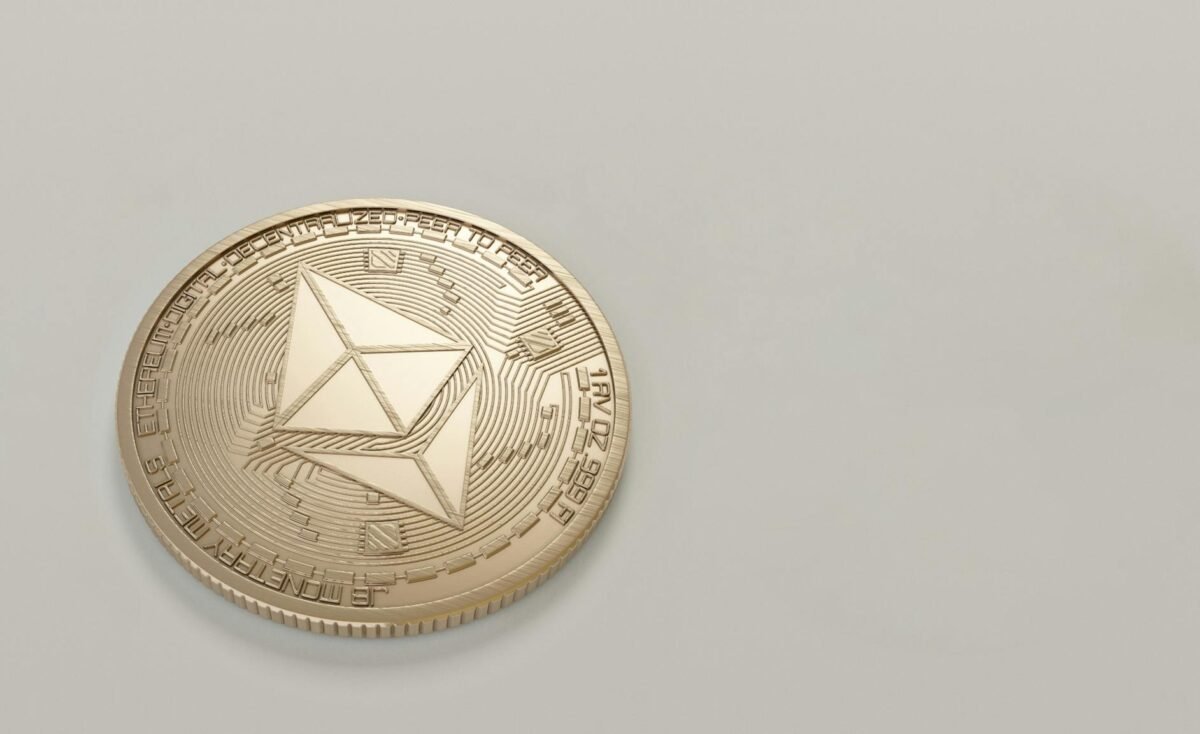
Here’s how it actually works. DeFi resides on blockchains like Ethereum — you’ll see those as large, transparent spreadsheets, visible to everyone and immutable to anyone who can cheat. “Smart contracts” are literally written-in-code automatic contracts. Want a loan? Deposit some crypto as collateral and the code says “okay” and sends money to you. No credit check, no boss approving the application, “we’ll get back in 5-7 business days.”
The real magic comes from lending. Platforms like Aave allow you to lend your crypto to others and receive real interest, often 3-8 percent a year, with interest paid each and every day. Compared with those traditional savings accounts that haven’t kept pace with inflation since 2008. There are decentralized exchanges you could use too, such as Uniswap, where you swap currencies immediately, without needing to sign up or post your driver’s license.
But let’s be real — it is imperfect. There are risks. Smart contracts can come with bugs that hackers can use to exploit their weaknesses. If you send money to a wrong address, there is no “undo” button or customer service to call. And those juicy 20 percent yields you’re fed? They often also carry risks that may destroy your investment.
Still, the momentum is undeniable. More than $26 billion is currently locked in DeFi protocols and companies like Mastercard are already forging connections between traditional banking and this new world. We’re in the era where you could use a regular banking app, but behind the scenes, it’s actually DeFi processing your money much quicker and cheaper.
Is it ready for everyone today? Not quite. You still require a degree of technical ease and risk tolerance. But just as the early internet felt clunky before becoming invisible infrastructure, so DeFi is doing.
The bottom line? DeFi returns control to you. Your money moves at the rate of the internet, not the speed of banker’s hours. And in a world where financial freedom feels increasingly out of reach, that’s quite revolutionary.